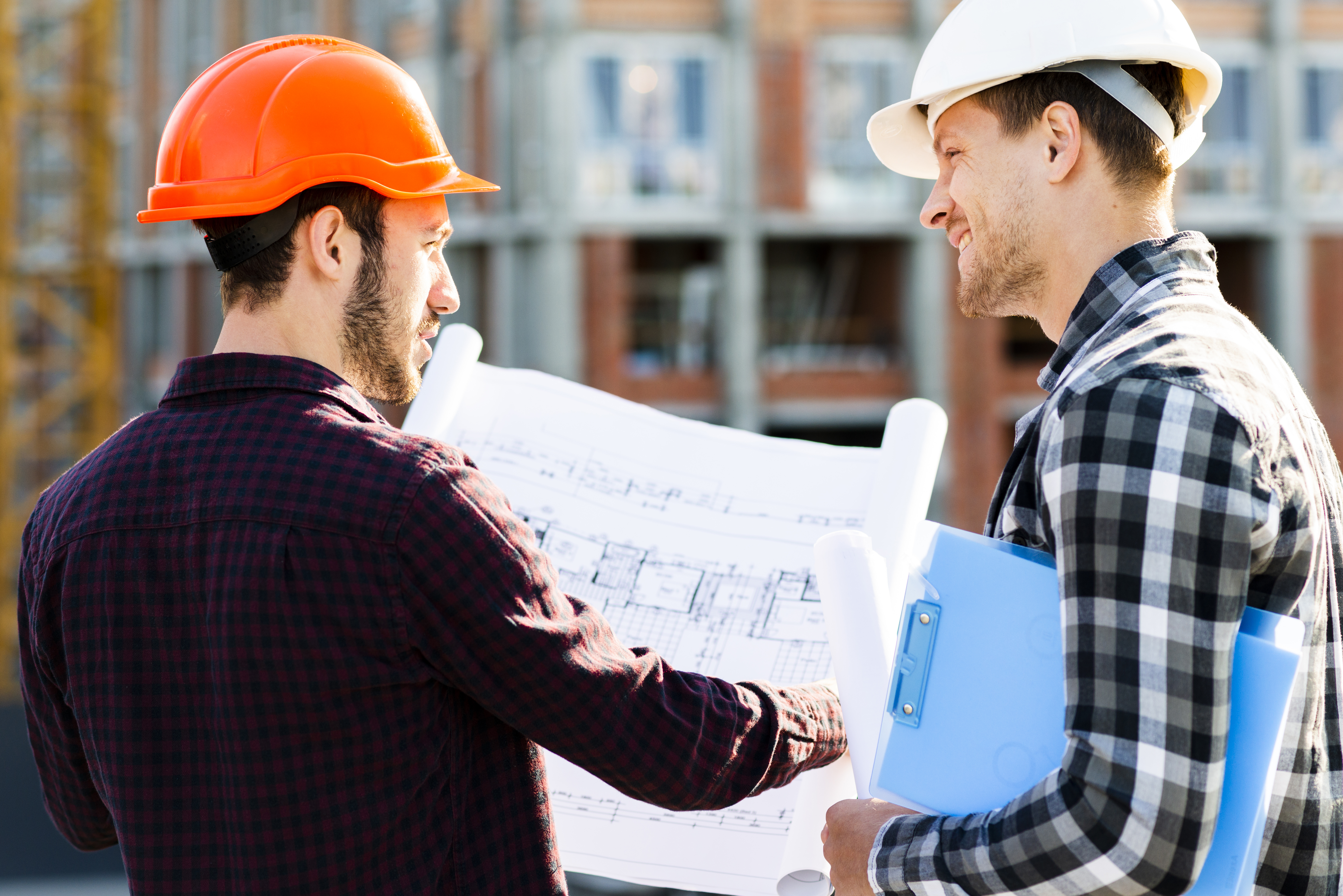
Building a new home or commercial space is a massive milestone in anyone's life. It requires significant time, a large financial commitment, and deep emotional investment. Finding a reliable construction partner to bring your vision to life is the most crucial step in this entire journey. You need a team that understands your goals and has the skills to execute them flawlessly. The market is flooded with builders promising great results, but making the right choice requires careful consideration and thorough research.
Understanding Your Building Project Needs
Before you start searching for contractors, you must have a clear idea of what you want to build. You need to define the complete scope of your project. Are you looking to construct a large family home, a smaller duplex, or a multi story commercial building? Knowing your exact requirements helps you narrow down your search effectively. Different builders specialize in different types of structures and designs. Some excel in luxury residential spaces, while others focus heavily on commercial complexes. A clear vision ensures you approach the right professionals who possess the exact expertise you need. Take ample time to sketch out your basic ideas and list your absolute necessities.
Why Hiring the Right Construction Partner Matters
The success of your building endeavor rests heavily on the shoulders of your chosen builder. A skilled contractor brings technical expertise, solid project management skills, and valuable industry connections. They know exactly how to navigate local building codes and secure the necessary permits without delays. An inexperienced builder can cause massive delays, budget overruns, and even structural flaws down the line. The right partner minimizes stress and ensures a smooth workflow from the foundational stage to the final finishing touches. You want a team that treats your project with the utmost care and professionalism at every single step.
Defining Your Budget and Timeline Expectations
Money and time are two critical factors in any building project. You must establish a realistic budget before engaging deeply with any builders. You should factor in costs for land preparation, raw materials, skilled labor, and interior finishes. Always keep an emergency fund of around ten to fifteen percent for completely unexpected expenses. Similarly, set a tentative timeline for the project completion. Discuss these expectations upfront with all potential builders you meet. A transparent contractor will tell you immediately if your budget and timeline are actually feasible. Clear financial boundaries prevent misunderstandings later and help maintain a healthy working relationship.
Researching the Best Options in Your City
Once your needs and budget are clear, it is time to start your research phase. Begin by asking friends, family, and colleagues for their personal recommendations. Personal referrals are incredibly valuable because they come from trusted sources who have experienced the process. You can also turn to online search engines and social media platforms to find reputable builders in your specific area. Look for companies with a strong digital presence and a highly professional website. Make a list of five to six potential builders who catch your eye and seem to match your project requirements.
Look for Local Experience and Market Knowledge
Local expertise is a massive advantage in the modern construction industry. Builders who operate frequently in your specific area understand the local soil conditions, climate challenges, and municipal regulations better than anyone else. They also have deeply established relationships with local suppliers and reliable subcontractors. This local network can easily lead to better material prices and much faster permit approvals. Finding the best house construction company in Bangalore ensures that your home is built by experts who understand the unique architectural preferences of the city. Local builders are simply more accessible and hold a higher level of accountability to their community.
Checking Licenses Certifications and Insurance
Never hire a builder without fully verifying their legal credentials and paperwork. Construction is a highly regulated industry for very good reasons regarding safety and structural integrity. Ask your potential contractors to provide solid proof of their licenses and official industry certifications. These documents prove that the company meets the basic standards required by local government authorities. Furthermore, having proper insurance is absolutely non negotiable for any serious builder. The company must carry comprehensive liability insurance and full workers compensation coverage. This protects you completely from being held financially responsible if an accident occurs on your personal property.
Why Proper Documentation Protects You
Proper documentation goes far beyond just basic licenses and insurance policies. It includes detailed written contracts, approved architectural plans, and strict material specifications. Verbal agreements hold very little weight in the complex construction world. Everything you discuss with your builder must be put into formal writing. A comprehensive contract outlines the payment schedule, exact project milestones, and penalty clauses for any delays. It serves as a strong legal safeguard for both you and the builder throughout the project. Take the time to read through every single clause before signing anything at all.
Reviewing Past Projects and Portfolios
A truly reputable builder will always be proud to showcase their past work to new clients. Ask to see their complete portfolio of recently completed projects. Pay close attention to the visual style, scale, and complexity of the buildings they have successfully constructed. Do their previous projects align well with the vision you have for your own property? High quality photographs are great, but nothing beats an in person visit to a physical site. Ask the builder if you can visit a recently completed home or an ongoing active project. This allows you to inspect the quality of their craftsmanship up close and personal.
Assessing the Quality of Previous Work
When visiting a site, you must look beyond the surface aesthetics and paint colors. Check the quality of the brickwork, the smoothness of the wall plastering, and the precision of the tile installation. Poorly aligned tiles or completely uneven walls are clear signs of rushed craftsmanship and poor supervision. Inspect the installation of doors and windows to ensure they open and close smoothly without any awkward gaps. High quality construction is all about paying strict attention to the smallest details. A builder who obsesses over tiny details will certainly ensure the solid structural integrity of the main framework.
Reading Client Testimonials and Reviews
Customer feedback is an absolute goldmine of information when selecting a building partner. Spend adequate time reading online reviews on various independent platforms and forums. Do not just rely on the glowing testimonials published on the company website, as these are often handpicked for marketing purposes. Look for recurring patterns in the reviews you read online. If multiple clients praise the company for timely delivery, that is a very strong positive indicator. Conversely, if several reviews mention hidden costs or extremely poor communication, you should consider that a major red flag.
Getting Honest Feedback from Past Clients
Take your research a step further by speaking directly with past clients over the phone. Ask the builder to provide three or four genuine references you can contact. Inquire about the builder communication style, their strict adherence to the agreed budget, and their willingness to resolve unexpected issues. Ask the clients bluntly if they would hire the exact same builder again for a new project. This level of diligence might seem slightly tedious, but it is incredibly effective. For instance, when searching for the best home construction company in bangalore , hearing a glowing recommendation directly from a local homeowner provides immense peace of mind. Real stories from actual people give you the most accurate picture possible.
Evaluating Communication and Transparency
Building a property takes many months, and sometimes it can take over a full year. You will be communicating with your builder very frequently during this extended period. Therefore, it is essential to choose a company that communicates clearly, honestly, and promptly. Evaluate their communication skills right from your very first initial interaction. Do they answer your phone calls readily? Do they reply to your emails in a timely and professional manner? A genuinely good builder listens to your concerns, answers your questions patiently, and explains complex technical terms in very simple language.
The Importance of Clear Project Updates
Transparency is very closely tied to good and effective communication. You deserve to know exactly what is happening on your construction site at all times. The best builders provide regular weekly progress reports, complete with actual photographs and milestone updates. They are totally upfront about any challenges or material delays they might encounter. Construction is inherently unpredictable, and minor issues like bad weather or sudden material shortages can definitely occur. A transparent builder will inform you immediately and propose several viable solutions. They will never try to hide mistakes or sweep problems under the rug.
Discussing Materials and Construction Quality
The long lasting durability of your building depends entirely on the quality of materials used during construction. During your planning meetings, ask the contractors about the specific brands and grades of materials they prefer to use. They should be highly knowledgeable about different types of cement, steel rebars, bricks, and plumbing fixtures. A reliable builder will clearly explain the pros and cons of various material choices available in the market. They will guide you toward options that fit your budget while ensuring maximum longevity and safety. Be very wary of contractors who offer significantly lower quotes than all their local competitors.
Ensuring Sustainable and Durable Building Practices
Modern construction projects should strongly prioritize sustainability and daily energy efficiency. Discuss environmentally friendly building practices with your list of potential contractors.
Here are a few sustainable aspects you should definitely ask about:
Using locally sourced building materials to reduce transportation emissions.
Incorporating abundant natural light to lower daily electricity consumption.
Designing proper cross ventilation to minimize heavy reliance on air conditioning.
Installing efficient rainwater harvesting systems for water conservation.
Using sustainable materials reduces your carbon footprint and lowers your monthly utility bills significantly. A forward thinking construction company will be very well versed in these green building techniques. Choosing a builder who cares about the environment often means you are choosing someone who builds with the future in mind.
Comparing Estimates and Pricing Structures
After narrowing down your list to just two or three strong candidates, ask each of them for a highly detailed project estimate. A vague or one page quote is completely unacceptable in this industry. The detailed estimate should break down the specific costs for architectural design, raw materials, skilled labor, municipal permits, and all applicable taxes. Comparing these detailed estimates helps you completely understand exactly where your money is going. Do not automatically choose the lowest bidder you find. Instead, look for the most comprehensive and highly realistic quote available. Analyzing the pricing structure gives you great insight into the builder's honesty.
Avoiding Hidden Costs in Your Contract
Hidden costs are the biggest potential nightmare for any new property owner. To avoid these unpleasant surprises, demand absolute clarity on exactly what is included in the quoted base price. Ask very specific questions during the negotiation phase. Does the quote include the boundary compound wall construction? Are the final electrical fittings and sanitary plumbing fixtures fully covered? What about daily waste disposal and final site cleanup? Engaging the best construction company in bangalore ensures that you receive a clear, itemized bill of quantities with absolutely no concealed fees. Make sure the contract specifies how any additional extra work will be accurately priced.
Understanding the Project Management Process
A highly successful build requires truly excellent daily project management. Ask your potential contractors exactly how they manage their daily site operations. You need to know who is directly responsible for coordinating the various skilled tradesmen, such as electricians, plumbers, and carpenters. A disorganized construction site always leads to expensive mistakes and wasted raw materials. The company should have a very systematic approach to scheduling workers and enforcing strict quality control. They should employ experienced site engineers who monitor the daily work very closely. Good project management also involves constantly maintaining a safe and clean working environment for everyone involved.
Who Will Oversee Your Daily Construction Site
It is incredibly crucial to know exactly who your primary point of contact will be once the project officially starts. Will the main company owner be supervising the site, or will they assign a dedicated full time project manager? If it is a project manager, ask to meet them in person beforehand. This individual will be your main eyes and ears on the ground every single day. You need to feel entirely comfortable communicating with them about any concerns. Ensure they have the proper authority to make quick decisions and resolve minor issues on the spot.
Post Construction Services and Warranties
The professional relationship with your builder should not end the exact moment they hand over the final keys. Newly constructed buildings very often experience minor settling issues during the first year. Small hairline cracks might appear in the plaster, or a new plumbing fixture might develop a very small leak. A reputable construction company always provides a formal warranty period during which they will fix these minor defects entirely free of charge. Ask about their post construction services and the exact duration of their offered warranty. A builder who stands firmly behind their work is very confident in the quality of their craftsmanship.
Securing Long Term Peace of Mind
Read the provided warranty terms very carefully to understand exactly what is covered and what is specifically excluded. Structural warranties usually last for several years, while coverage for cosmetic finishes and internal fittings might be significantly shorter. Ensure you receive all the formal warranty documents and instruction manuals for installed appliances and home systems. A highly reliable builder will schedule a final detailed walkthrough with you to ensure everything meets your original expectations. They will also provide you with a basic maintenance guide to help you care for your beautiful new property.
Making Your Final Decision with Confidence
Choosing a construction partner is a unique blend of logical analytical research and trusting your own gut feeling. You have done your extensive research, checked legal credentials, reviewed past portfolios, and compared detailed financial estimates. Now, you must confidently trust your instincts. Choose the company that makes you feel genuinely heard, highly respected, and fully confident in their building abilities. Building a home or commercial space is a deeply collaborative team effort. You need a reliable partner who completely shares your enthusiasm and is strongly committed to making your dream a physical reality. Take your time, do not rush the final decision, and never compromise on structural quality.
Starting Your Building Journey on the Right Foot
Once you have finally made your choice, sign the formal contract and prepare for the very exciting journey ahead. Keep the lines of daily communication completely open and maintain a highly positive working relationship with your chosen builder. Be fully prepared for minor bumps along the road, as they are virtually inevitable in any large construction project.
However, with the right professional team by your side, these minor challenges will be handled quickly and efficiently. Your dream project is a massive investment of your hard earned resources. By selecting a dedicated, experienced, and highly transparent construction firm, you ensure that your investment yields a beautiful, durable, and structurally sound reality. Enjoy the rewarding process of watching your vision take shape from the ground up.
