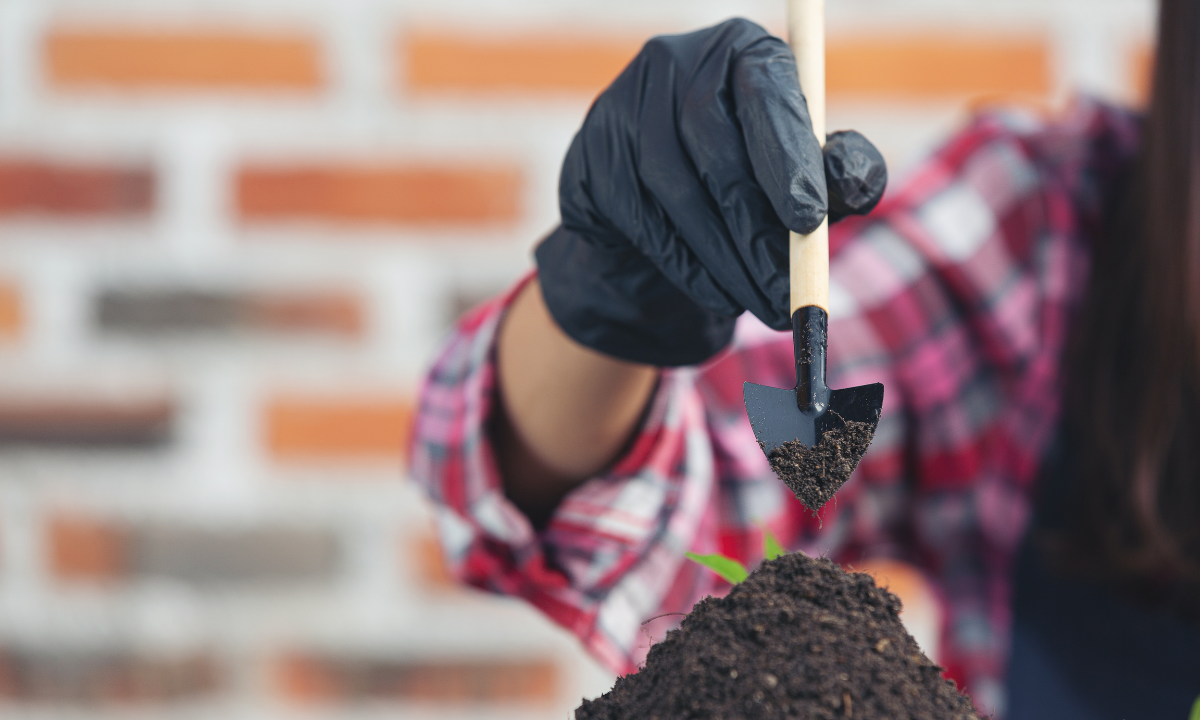
Building a home or enhancing your garden starts deep beneath the surface in the soil. Understanding soil conditions before you lay your foundation is crucial. Soil testing equipment enables homeowners to assess soil properties, ensuring stable and long-lasting construction and healthy landscaping. This blog post covers the essential types of soil testing equipment, their purpose, and why every homeowner should prioritize soil testing for a strong foundation.
Why Soil Testing Matters for Homeowners
Soil testing is the process of analyzing the physical and chemical properties of soil to determine its suitability for construction and planting. For homeowners, soil testing is vital because:
- Foundation Stability: Soil characteristics such as moisture content, density, and compaction affect a building’s foundation safety. Poor soil can lead to settling, cracking, or even structural failure.
- Proper Drainage: Testing soil moisture helps prevent problems like waterlogging or erosion that can damage a home.
- Garden and Landscape Health: Knowing your soil’s nutrient levels and pH helps optimize plant growth and avoid costly landscaping mistakes.
- Cost Efficiency: Detecting soil issues early can save money by allowing informed decisions about soil preparation, foundation design, and landscaping.
In summary, soil testing offers a roadmap for preparing your land properly and constructing a safe, durable home.
Common Types of Soil Testing Equipment for Homeowners
Homeowners and builders rely on a variety of soil testing tools, ranging from simple DIY kits to professional-grade instruments. Below are some of the most essential equipment types you should know about.
- Speedy Moisture Meter
Purpose: Measures soil moisture content quickly on-site.
How it works: Uses the Calcium Carbide Test to react with moisture and measure gas pressure indicating moisture level.
Why it matters: Moisture content influences soil strength and stability.
Use case: Fast checks during soil sampling or before foundation work. - Atterberg Limits Apparatus
Purpose: Tests soil consistency by measuring liquid limit, plastic limit, and shrinkage limit.
Why it matters: These limits predict soil expansion, contraction, and strength under varying moisture levels.
Use case: Ideal for evaluating clay soils that may swell or shrink. - Soil pH Test Kits
Purpose: Determines soil acidity or alkalinity.
Types: pH strips, capsule tests, and digital pH meters.
Why it matters: Soil pH impacts nutrient availability and soil chemistry.
Use case: Gardening, landscaping, and foundation-related soil chemistry assessment. - Soil Nutrient Test Kits
Purpose: Measures key nutrients like nitrogen, phosphorus, and potassium.
Why it matters: Nutrient levels affect plant health and soil structure.
Use case: Preparing soil for gardens, lawns, and landscaping. - Soil Penetrometer
Purpose: Gauges soil compaction and resistance.
How it works: Measures force required to penetrate soil.
Why it matters: Excessive compaction can destabilize foundations and restrict root growth.
Use case: Assessing whether soil is firm enough for construction. - Soil Analyzers (Advanced Electronic Equipment)
Features: Measure pH, moisture, temperature, light levels, and more.
Benefits: Bluetooth connectivity and data logging options.
Why it matters: Useful for ongoing soil monitoring for construction and gardening.
Use case: Smart home soil management and precision gardening.
How Homeowners Can Test Soil Effectively
At-Home Testing
At-home test kits are an excellent start for understanding soil conditions:
- Collect soil samples 3–6 inches deep using a clean tool.
- Use pH strips, capsule tests, or moisture meters to test properties.
- Interpret readings using charts or device instructions.
This method is affordable, quick, and provides useful insights into soil suitability.
Professional Testing
For new home construction or precision analysis:
- Hire a soil testing laboratory for detailed chemical and physical analysis.
- Tests include moisture content, compaction, permeability, Atterberg limits, nutrient levels, and pH.
- Receive expert recommendations for soil preparation or foundation design.
Key Soil Properties Affecting Foundations
- Moisture Content: High moisture can weaken soil and cause settling.
- Soil Compaction: Poor compaction leads to compression after construction.
- Clay Content: Expansive clay soils swell and shrink, damaging foundations.
- pH Level: Influences soil chemistry and corrosion potential.
- Nutrient Levels: Affect soil structure and organic matter stability.
- Soil Density: Denser soil improves load-bearing capacity.
Tips for Using Soil Testing Equipment
- Calibrate all electronic devices before testing.
- Take multiple soil samples from different areas.
- Test deeper soils (3–4 feet) for foundations.
- Record all results for long-term tracking.
- Consult professionals for critical construction decisions.
Soil Testing and SEO Keywords for Homeowners
Important search keywords related to soil testing include:
- Soil testing equipment
- Home soil test kits
- Soil moisture meter
- Soil pH test
- Soil nutrient test
- Foundation soil testing
- Soil compaction test
- Expansive clay soil testing
- DIY soil testing
- Soil test for gardening
- Soil stability for foundation
Final Thoughts
Whether you are constructing your dream home or cultivating a thriving garden, the soil beneath your feet requires careful attention. Investing in soil testing ensures safety, longevity, and plant health. With tools ranging from simple test kits to advanced analyzers, homeowners now have accessible ways to assess soil conditions accurately.
Pair your findings with professional advice to build on stable, well-prepared ground while creating a flourishing landscape. Make soil testing the first step toward a safe foundation and a healthy home environment.
TheUrbanConstruction.com is your go-to resource for soil testing insights, home construction tips, and sustainable landscaping practices.
