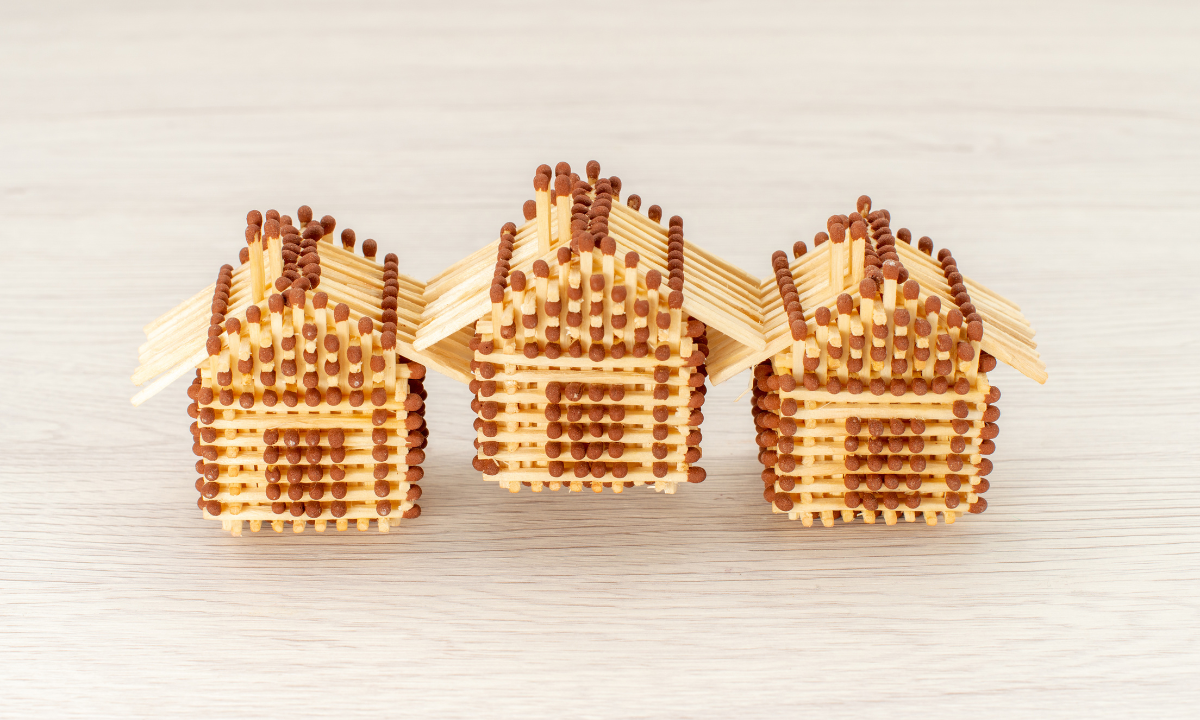
Imagine a world where the walls of your home are grown, not built. Where construction materials are not mined from the earth or fired in kilns, but cultivated from agricultural waste and the roots of mushrooms. This is not science fiction; it’s the reality of mycelium bricks, a revolutionary innovation reshaping the future of sustainable construction.
Mycelium, the underground network of fungal threads, is emerging as a powerful alternative to traditional building materials. From temporary shelters to permanent insulation panels, mushroom bricks are proving their worth in the global push for greener, more affordable, and resilient housing solutions.
The Rise of Mycelium in Construction
The construction industry is under pressure to reduce its environmental impact. Buildings and construction account for nearly 40% of global carbon emissions, with traditional materials like concrete and steel contributing heavily to pollution and resource depletion. As cities expand and populations grow, the demand for sustainable alternatives has never been greater.
Enter mycelium bricks. These innovative materials are made by combining agricultural waste such as sawdust, straw, or rice husks with mycelium, the living root structure of fungi. The mycelium grows through the waste, binding it into a solid, lightweight, and durable material. Once the desired shape is achieved, the material is heat-treated to stop further growth, resulting in a stable, biodegradable brick.
This process is not only low-energy but also circular. At the end of its life, a mycelium brick can be composted, returning nutrients to the soil and closing the loop on waste. Unlike conventional bricks, which require high-temperature firing and generate significant emissions, mycelium bricks are grown at ambient temperatures, drastically reducing their carbon footprint.
Real-World Applications and Benefits
Mycelium bricks are already making waves in the construction world. In Kenya, a company called MycoTile is producing panels for walls, roofs, and insulation using mycelium and natural fibers. These panels are not only more sustainable than traditional bricks but also significantly cheaper, making them an attractive option for affordable housing projects.
Residents report that homes built with mycelium materials are comfortable year-round, with excellent thermal regulation—neither too hot in the day nor too cold at night.
The versatility of mycelium bricks extends beyond housing. They are being used for temporary modular structures, such as disaster relief shelters and event spaces. Their lightweight nature and ease of assembly make them ideal for rapid deployment in emergency situations. Once the structure is no longer needed, the materials can be broken down and composted, leaving no trace behind.
In addition to environmental benefits, mycelium bricks offer superior insulation properties. They provide excellent thermal and acoustic insulation, helping reduce energy consumption for heating and cooling. This makes them a smart choice for residential and commercial buildings, especially in regions with extreme climates.
Challenges and the Path Forward
Despite their promise, mycelium bricks are still in the early stages of development. One of the main challenges is durability. While they perform well in controlled environments, their resistance to water, humidity, and long-term wear is still being tested. Currently, they are best suited for temporary or non-load-bearing applications such as partition walls, insulation, and cladding.
Another challenge is scalability. Small-scale production is feasible, but mass-producing mycelium bricks for large construction projects requires further research and investment. As technology advances and the demand for sustainable materials grows, these hurdles are expected to be overcome.
The future of mycelium bricks is bright. With ongoing research and real-world applications, they have the potential to transform the construction industry. From affordable housing to disaster relief, from insulation to interior design, mycelium bricks are paving the way for a greener, more sustainable future.
A New Era of Sustainable Building
The mushroom brick revolution is more than just a trend—it’s a fundamental shift in how we think about construction. By harnessing the power of nature, we can build homes and structures that are not only strong and functional but also kind to the planet.
As homeowners, architects, and builders, we have the opportunity to embrace this innovation and contribute to a more sustainable world. Whether you’re planning a new home, renovating an existing space, or simply curious about the future of building materials, mycelium bricks offer a glimpse into a greener, more resilient future.
