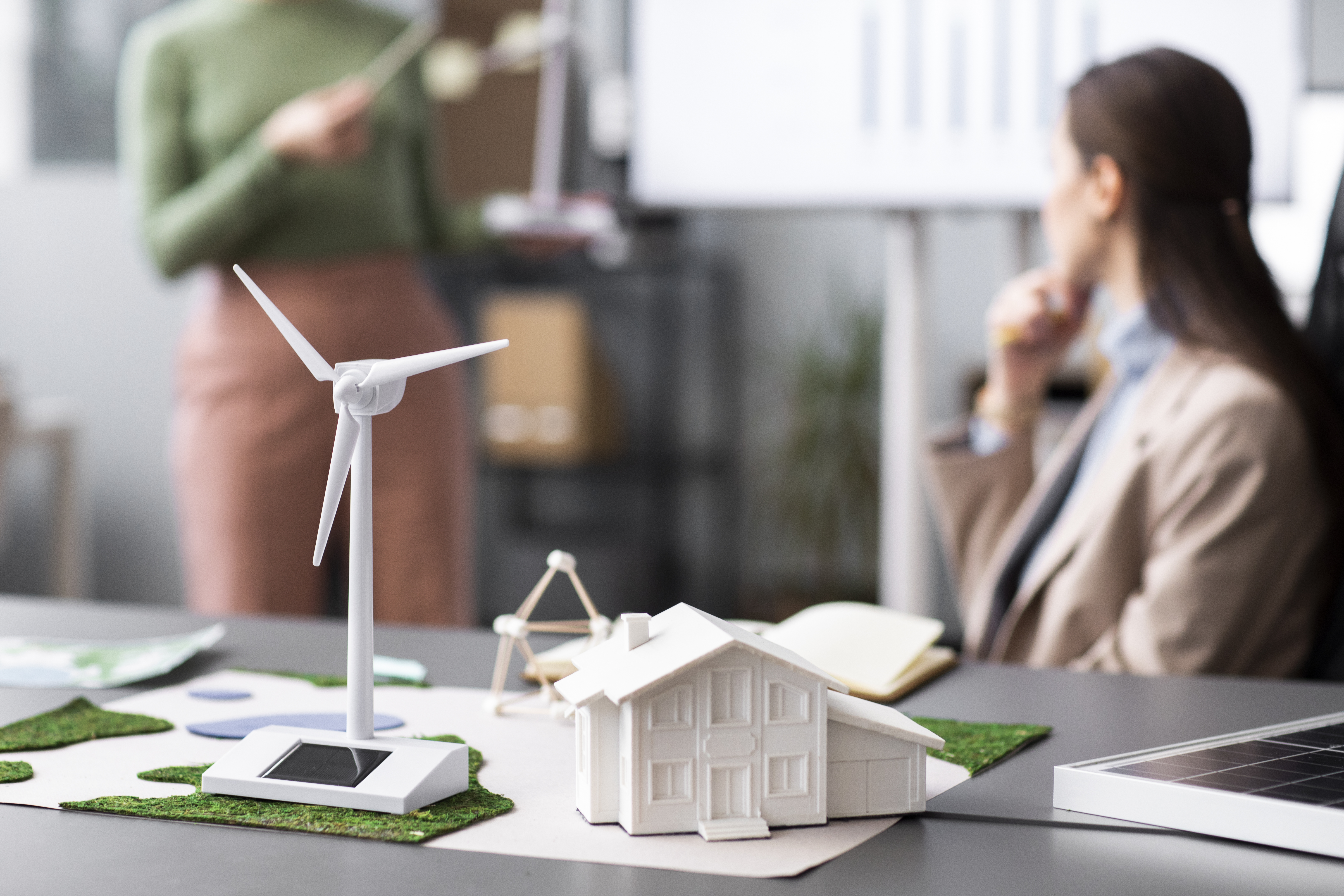
In the modern architectural landscape, "sustainability" is no longer a buzzword or a niche trend; it is a fundamental requirement for the future of residential living. As urban environments become more densely populated and global energy costs continue to fluctuate, the demand for eco-friendly homes has reached an all-time high.
At The Urban Construction, we believe that building a home is a responsibility toward both the homeowner and the planet. A sustainable home isn't just about reducing your carbon footprint; it’s about creating a healthier, more efficient, and more durable living space that stands the test of time.
In this guide, we will explore the essential pillars of sustainable building and how you can integrate eco-friendly practices into your next construction project.
What is Sustainable Building?
Sustainable building, often referred to as "Green Construction," is the practice of creating structures and using environmentally responsible processes and resources efficiently throughout a building's life-cycle. This begins at the earliest stages of site selection and design and continues through construction, operation, maintenance, and eventual renovation.
The goal is to minimize the overall impact of the built environment on human health and the natural world by:
- Efficiently using energy, water, and other resources.
- Protecting occupant health and improving employee productivity.
- Reducing waste, pollution, and environmental degradation.
1. Passive Solar Design: Harnessing the Elements
The most sustainable way to heat or cool a home is to do so without using any mechanical energy at all. This is the core philosophy behind Passive Solar Design.
- Building Orientation: In the northern hemisphere, orienting the long axis of a home toward the south allows you to capture maximum sunlight during the winter months.
- Thermal Mass: Using materials like concrete, brick, or stone inside the home can help regulate temperature. These materials absorb heat during the day and slowly release it at night.
- Natural Ventilation: Strategic window placement (cross-ventilation) allows prevailing breezes to cool the home naturally, reducing the need for air conditioning in urban heat islands.
2. The High-Performance Building Envelope
Think of the "envelope" as the skin of your house. If the skin is porous, energy escapes. A sustainable home requires a high-performance envelope to maintain a consistent internal climate.
- Advanced Insulation: Moving beyond standard fiberglass to materials like cellulose, spray foam, or mineral wool ensures higher R-values (resistance to heat flow).
- Airtightness: Sustainable homes are built to be airtight to prevent "conditioned air" from leaking out. This is often paired with an Energy Recovery Ventilator (ERV) to ensure fresh air intake without losing heat.
- High-Efficiency Windows: Triple-paned windows with Low-E coatings and argon gas fills help prevent thermal bridging and reduce noise pollution — a major advantage for urban homes.
3. Integrating Renewable Energy Systems
To achieve "Net-Zero" status, where a home produces as much energy as it consumes, renewable energy integration is vital.
- Solar Photovoltaics (PV): Modern solar panels are more efficient and aesthetically pleasing than ever. They can be integrated into roof designs or used as solar shingles.
- Heat Pumps: Air-source or ground-source (geothermal) heat pumps provide both heating and cooling at a fraction of the energy cost of traditional systems.
- Battery Storage: Systems like the Tesla Powerwall allow homeowners to store excess solar energy generated during the day for use at night or during power outages.
4. Sustainable Materials: Low Carbon and High Durability
The materials used in your home contribute to its "embodied carbon," the total greenhouse gas emissions generated to produce, transport, and install those materials.
- Recycled and Reclaimed Materials: Using reclaimed wood, recycled steel, or crushed glass countertops reduces the demand for virgin resources.
- Low-Carbon Concrete: Concrete is a major carbon emitter. At The Urban Construction, we prioritize mixes that incorporate fly ash or slag to reduce environmental impact.
- FSC-Certified Timber: Ensuring wood products come from responsibly managed forests helps protect global ecosystems.
5. Water Conservation and Management
In urban environments, water is a valuable resource. Sustainable homes incorporate systems to reduce waste and manage water efficiently.
- Low-Flow Fixtures: High-efficiency toilets, showerheads, and faucets can reduce indoor water use by over 30%.
- Greywater Recycling: Systems that treat water from sinks and showers for use in toilet flushing or landscape irrigation are becoming more common.
- Permeable Paving: Permeable driveways allow rainwater to soak into the ground, reducing strain on city drainage systems.
6. Indoor Environmental Quality (IEQ)
We spend nearly 90% of our time indoors, making air quality and environmental comfort extremely important.
- Low-VOC Materials: Using paints, adhesives, and finishes with low or zero volatile organic compounds improves indoor air quality.
- Biophilic Design: Integrating natural light, indoor plants, and nature-inspired elements can reduce stress and improve overall wellbeing.
- Advanced Filtration: High-MERV filters in HVAC systems help keep urban pollutants and allergens outside.
7. Smart Home Technology for Energy Efficiency
Modern smart home systems help optimize energy use and make sustainable living more convenient.
- Automated Climate Control: Smart thermostats learn your schedule and adjust temperatures automatically.
- Smart Lighting: LED lights combined with occupancy sensors ensure lighting is only used when necessary.
- Energy Monitoring: Real-time dashboards help homeowners track which appliances consume the most power.
8. Navigating Green Building Certifications
To verify the sustainability of your project, several globally recognized frameworks provide certification standards.
- LEED (Leadership in Energy and Environmental Design): The most widely recognized green building rating system worldwide.
- Passive House (PHIUS): Focuses on extreme energy efficiency and airtight construction.
- WELL Building Standard: Concentrates on occupant health and wellness.
9. The Financial ROI of Sustainability
Although eco-friendly construction can require slightly higher upfront costs, the long-term return on investment is significant.
- Lower Operating Costs: Reduced energy and water bills over the lifetime of the home.
- Increased Durability: Sustainable materials often last longer and require less maintenance.
- Resale Premium: Green-certified homes tend to sell faster and at higher prices.
10. The Urban Construction Approach to Sustainability
At The Urban Construction, sustainability is integrated into our design and construction process from the very beginning.
- Site-Specific Analysis: We analyze sun paths and wind patterns to optimize passive design.
- Waste Mitigation: Strict on-site recycling ensures minimal construction waste goes to landfills.
- Transparent Sourcing: We partner with trusted suppliers who provide environmentally responsible materials.
Conclusion:
Sustainable building is no longer just about reducing environmental impact. It is about creating homes that are resilient, healthy, and exceptionally efficient.
By investing in eco-friendly construction today, you are protecting both your financial future and the wellbeing of your community.
Whether you are planning a new build or preparing to break ground, The Urban Construction team can guide you through every step of sustainable design and construction.
Ready to build your eco-friendly masterpiece? Contact The Urban Construction today for a sustainability consultation and take the first step toward a greener home.
