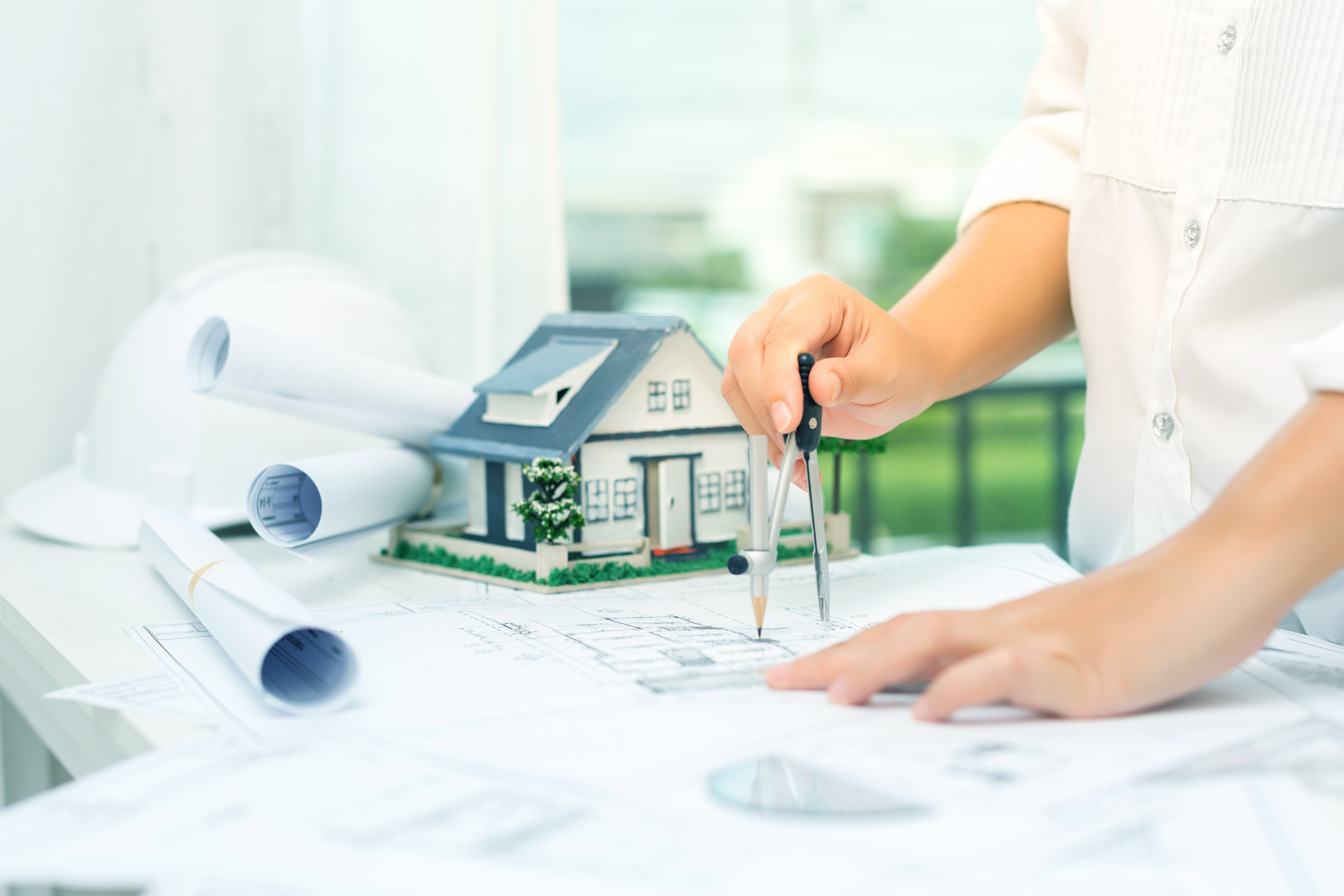
Building your own home is likely the most significant investment both emotional and financial that you will ever make. While the prospect of moving into a custom-designed space is exhilarating, the path from a vacant plot to a finished doorstep is often paved with complex decisions.
Without a structured roadmap, it’s easy for "dream homes" to turn into logistical nightmares characterized by spiraling costs and missed deadlines.
In this comprehensive guide, we break down the entire home construction process into manageable stages. Whether you are a first-time builder or looking to refine your knowledge, this walkthrough will provide the clarity you need to navigate the stages of house construction with confidence and precision.
1. Define Goals and Set a Realistic Budget
Before a single brick is laid, you must define the "Why" and the "How much." Start by clarifying your needs versus your wants.
- Clarify Needs: How many bedrooms are essential? Do you need a dedicated home office? What architectural style resonates with you?
- Financing Options: Evaluate your savings against home loan eligibility. Speak to lenders early to understand your borrowing capacity.
- The Contingency Fund: Always set aside a contingency plan of 10% to 15% of your total budget to cover price fluctuations in raw materials or unforeseen site conditions.
2. Plot, Survey, and Approvals
Your land is the foundation of your project—literally. Before designing, you must understand the physical and legal constraints of your plot.
- Land Survey & Soil Testing: A professional survey marks exact boundaries, while soil testing determines the type of foundation required.
- Building Permits: You will need to submit your plans to the local municipal authority to obtain a Commencement Certificate. Without the necessary permits, projects may face fines or demolition orders.
3. Design and Planning
This is the stage where your ideas are transformed into clear architectural plans.
- Conceptual Design to Working Drawings: Transition from initial sketches to detailed architectural blueprints.
- MEP Coordination: Integrate Mechanical, Electrical, and Plumbing layouts early to avoid costly structural modifications later.
- Material Selection: Choosing materials such as flooring, roofing, and cabinetry early helps avoid delays and enables energy-efficient planning like solar orientation and rainwater harvesting.
4. Choosing the Right Contractor
Selecting the right contractor is one of the most critical decisions in your home building journey.
Compare estimates carefully—sometimes a low quote may hide the use of inferior materials or additional hidden charges. Always verify licenses, review past projects, and check references.
A strong construction contract should clearly define the home building timeline, payment milestones, and penalties for delays.
5. The Construction Phases: What Happens on Site?
Once all paperwork and planning are complete, construction officially begins.
- Foundation and Plinth: The site is excavated, footings are poured, and the plinth level is created to elevate the building above street level.
- Superstructure: Columns, beams, slabs, and walls are constructed to form the structural skeleton of the house.
- Roofing and Waterproofing: Proper waterproofing prevents moisture damage and ensures long-term structural stability.
- MEP Installation: Plumbing pipelines and electrical conduits are installed inside walls before finishing works begin.
6. Finishes, Fixtures, and Snagging
This phase gives your home its final visual appeal and functional components.
- Plastering and painting the walls.
- Installing flooring such as marble, tiles, or wood.
- Fitting kitchen cabinets and wardrobes.
- Installing sanitary ware, lighting, and fixtures.
Snagging refers to identifying and fixing minor issues such as chipped tiles, uneven paintwork, or misaligned doors before handover.
7. Quality Control and Inspections
Quality control should be maintained throughout every stage of construction.
- Stage Inspections: Check structural alignment and slab thickness before concrete pouring.
- Third-Party Testing: Laboratory testing of construction materials ensures they meet engineering standards.
- Punch List: Create a final checklist of pending items and confirm completion before releasing final payments.
8. Handover, Documentation, and Maintenance Plan
The final stage involves receiving documentation and understanding how to maintain your new home.
- As-Built Drawings: These drawings show the exact locations of pipes, cables, and other systems.
- Warranties: Collect warranty documentation for appliances, pumps, and installed systems.
- Maintenance Schedule: A proper care plan ensures your finishes and installations last for years.
9. Cost- and Time-Saving Tips
Following smart construction strategies can help you control both time and costs.
- Smart Procurement: Purchase materials in bulk or during off-peak seasons to reduce expenses.
- Modular Choices: Using standard door and window sizes avoids costly custom fabrication.
- Milestone-Based Payments: Link payments to construction stages rather than paying large sums upfront.
Conclusion
The journey from an initial idea to a completed home is a long one, but with careful planning and the right team, it becomes a rewarding and fulfilling experience.
By prioritizing detailed planning, consistent quality checks, and reliable professionals, you can ensure your home is built to last for generations.
Frequently Asked Questions (FAQ)
Q: How long does it typically take to build a 3-bed home?
A: On average, a 3-bedroom independent house takes around 10 to 14 months depending on design complexity, weather conditions, and approval timelines.
Q: How much should I budget for unforeseen costs?
A: It is recommended to keep a contingency fund of around 10–15% above the estimated construction cost.
Q: When should I hire an independent inspector?
A: Ideally during major milestones such as foundation work, structural framing, and the final snagging stage before handover.
Q: What documents are handed over at completion?
A: You should receive the Occupation Certificate (OC), as-built drawings, structural stability certificate, and warranty documentation for appliances and materials.
